

THE ILLUSION
Ba plus ga makes da
Pair an auditory syllable with a different visual one and people often hear a third syllable, different from both. Hearing 'ba' while seeing 'ga' is the classic example.
Try a pairingA SOUND EFFECT IN THE BRAIN
Speech is not only something we hear.
Dub the sound 'ba' onto a video of a mouth saying 'ga' and many people hear a third syllable, 'da'. It is called the McGurk effect, and it shows the brain blending sight and sound before we are aware of either.

ba + ga heard as da
THE SHORT ANSWER
First described in 1976.
Still a standard test of how we combine the senses.
THE ILLUSION
Pair an auditory syllable with a different visual one and people often hear a third syllable, different from both. Hearing 'ba' while seeing 'ga' is the classic example.
Try a pairingNOT EVERYONE
In a study of 165 adults, some never heard the illusion and some always did. Most people sat near one end or the other.
See the numbersEVERYDAY LIFE
We combine the voice with the moving mouth to make speech perception faster and more accurate. Seeing a speaker helps most when the room is noisy.
Why it mattersA QUICK PAIRING CHECK
Pick a pairing of sound and lip movement. The bar shows how strongly the lips tend to change what is heard.
Based on McGurk-effect studies published in PubMed Central and the summary in Wikipedia. Responses vary a great deal from person to person.
TWO NUMBERS WORTH KNOWING
One finding on individuals,
one on languages and cultures.
0–100%
How often individuals heard the illusion
Some participants never perceived it and others always did. For single stimuli, 77% of people almost never (10% or less) or almost always (90% or more) heard it.
INDIVIDUALS · 165 ADULTS, 12 STIMULI
48 · 44%
Mandarin vs English speakers
Averaged across people and stimuli, Chinese and American participants heard the illusion about equally often. Culture and language explained only 0.3% of the variation.
LANGUAGES · 307 ADULTS
A study of 324 Mandarin-speaking twins found twins were more alike than unrelated pairs, but shared genes and environment explained only a small part (5.5%) of the variation.
MAKE YOUR OWN TEST
The effect was found by accident when a video was dubbed with a different syllable. You can recreate it with a phone and a free video editor.
Record a friend's face, close up, slowly repeating 'ga, ga'.
Record 'ba, ba' at the same pace and line it up with the lip movements in the editor.
Many viewers hear 'da' while watching. With eyes closed, only the recorded 'ba' is left.
Expect disagreement: in studies some people always hear the illusion and some never do.
WHY IT MATTERS

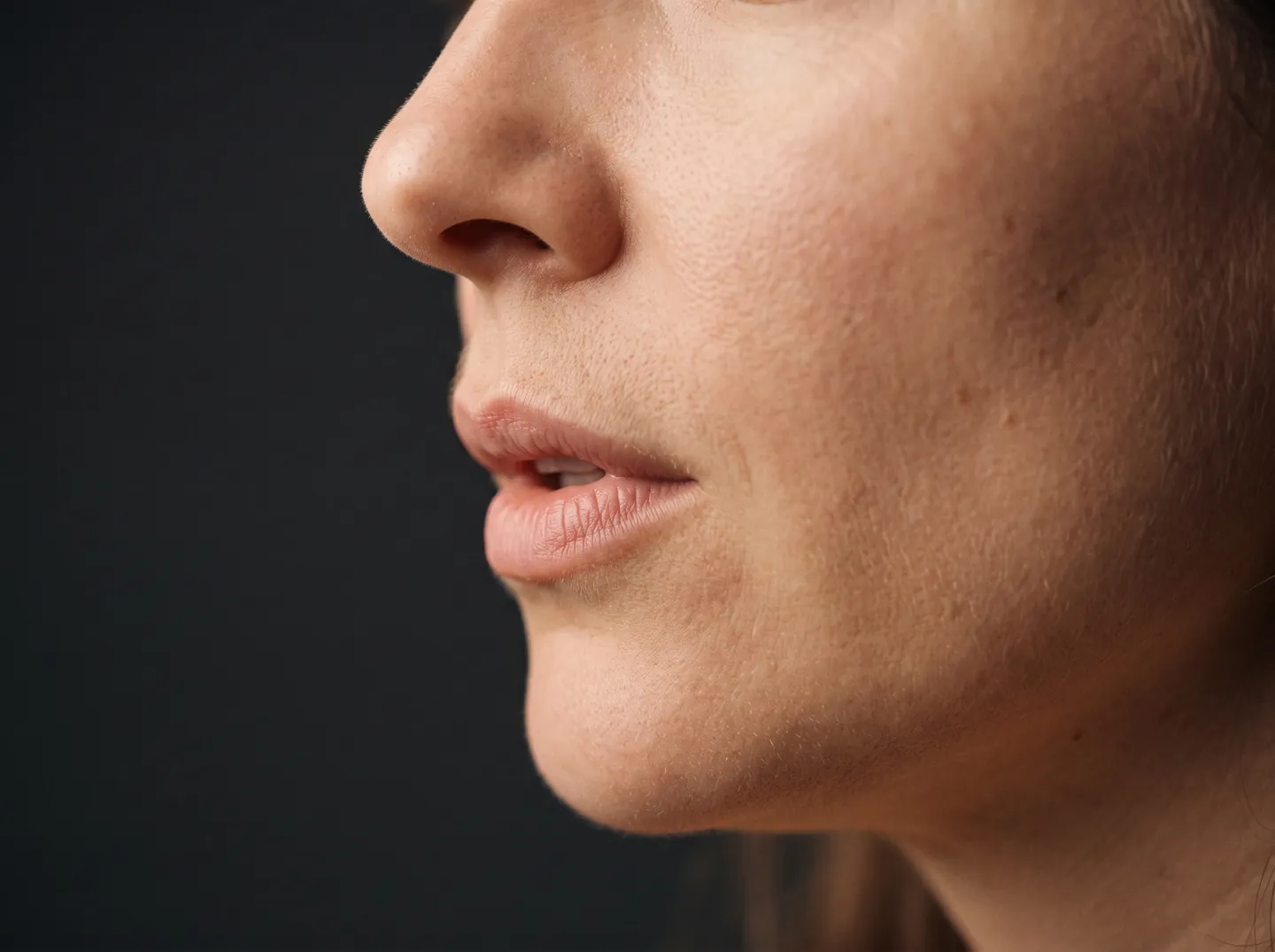
Researchers use the McGurk effect to study how the brain combines sight and sound. People are remarkably consistent: retested a year later, their rates changed by only 2% on average.
Knowing about the illusion does not seem to switch it off; some researchers who have studied it for decades still experience it. The original 1976 recordings are lost, so each laboratory makes its own, which is one reason results differ between studies.
Questions
An illusion in which pairing one spoken sound with lip movements for a different sound makes people hear a third sound. Hearing 'ba' while seeing 'ga' often produces 'da'.
Harry McGurk and John MacDonald described it in the journal Nature in 1976, in a paper titled 'Hearing lips and seeing voices'. It was found by accident when a video was dubbed with a different syllable.
No. In studies, some people never perceive the illusion and others always do, and different recordings also vary in how strongly they produce it.
A study of 307 adults found similar rates in native Mandarin and American English speakers (48% and 44%), with culture and language explaining only 0.3% of the differences.
Generally not. The effect is described as very robust: knowing how it works seems to have little effect on whether you perceive it.
Sources
ABOUT THIS NAME
soundeffectspads.com is part of the DoodleSale portfolio. It isn't in an auction right now, but you can ask about leasing it.